Back in September 2024, I wrote about the need for more independent MLAs in British Columbia. At the time, it felt like a thought experiment more than a political forecast. I argued that the provincial legislature would be healthier with a mix of party MLAs and independents. The core of that idea was simple: balanced decision-making leads to better representation. Less pressure to vote along party lines could give room for real dialogue and nuanced policy.
In that article, I imagined what BC politics might look like if more MLAs were able to speak with the full voice of their constituents rather than the trimmed language of a party platform. I pictured a system where decisions took time, where debate mattered, and where elected officials answered directly to the people who sent them to Victoria. One year later, I find myself returning to that idea with renewed interest.
Recently, Jordan Kealy, MLA for Peace River North, published a statement on X (formerly Twitter) announcing that he will not be joining any party for the foreseeable future. He believes the party system has become a barrier to representation, and that independence is the only way he can advocate honestly for his region. His post was passionate, direct, and reflective of a frustration many British Columbians share. He wrote about broken promises, regional neglect, and the pressure for MLAs to conform rather than speak freely. Whether you agree with him or not, his message highlights something important: people are noticing the cracks in the system.
Kealy’s declaration brought my original article to mind. It confirmed that the conversation about independent representation is not hypothetical any more. We have sitting MLAs taking public positions on party influence, and we have voters who feel disconnected from decisions made in Victoria. It gives hope that there might be room for change, and it also reminds us how difficult meaningful reform can be.
The challenge, as I see it now, is not simply calling for more independents. The challenge is building a system where independents can work effectively alongside parties without weakening democratic stability. Parties serve a function in governance. They offer structure, organisation, policy development, and the ability to pass legislation efficiently. Independents offer something different: flexibility, direct accountability, and the freedom to advocate without a party whip directing their vote. The goal is not to replace parties with independents, but to strike a balance between them.
A balanced legislature encourages accountability. It slows the decision-making process enough that ideas receive proper scrutiny instead of being rushed through on party discipline. It reduces the risk of policies crafted for optics rather than impact. Most importantly, it amplifies the voices of constituents over corporate influence and lobbyist pressure. When MLAs are free to vote according to the needs of their communities, public trust grows. Representation becomes more than a campaign word. It becomes a practice.
Still, independence alone will not fix politics. If more MLAs choose to sit outside party structures, there must be support in place to ensure they can participate meaningfully. Campaign financing would need review so that independents are not at a competitive disadvantage. Legislative committees would need space for non-affiliated members. We would need safeguards that prevent fragmentation and gridlock, because democracy cannot function if every vote becomes an island.
Some reforms that could strengthen this balance include:
- Limiting whipped votes to confidence matters rather than ordinary legislation.
- Expanding public funding for campaigns to reduce reliance on corporate donations.
- Creating shared research offices for independent MLAs.
- Encouraging local engagement through town halls and digital voting tools.
- Considering electoral models that allow more diverse representation.
These ideas are not perfect solutions, but they are steps toward a legislature that reflects the complexity of British Columbia. A system that includes strong party governance can still leave room for independent voices, particularly in regions that feel overlooked. Kealy’s statement reminds us that the conversation is no longer abstract. It is happening now. Real people in elected office are choosing independence for reasons that deserve attention.
I remain convinced that balanced representation is the healthiest model for our province. A legislature with room for both parties and independents would create more thoughtful policy, stronger accountability, and better representation for communities across BC. We do not need a system that moves fast. We need one that listens.
If we want politics that prioritises people over party strategy, we should explore how to support independent MLAs rather than dismiss them as political outliers. The rise of independence in BC might not be the answer by itself, but it may be part of a path toward a more responsive and trusted government.
The question worth asking now is this:
What changes would allow MLAs to represent us more directly without losing the efficiency that party systems provide?
Because if representation is the foundation of democracy, then surely the way we structure it deserves thoughtful reform, not complacency.
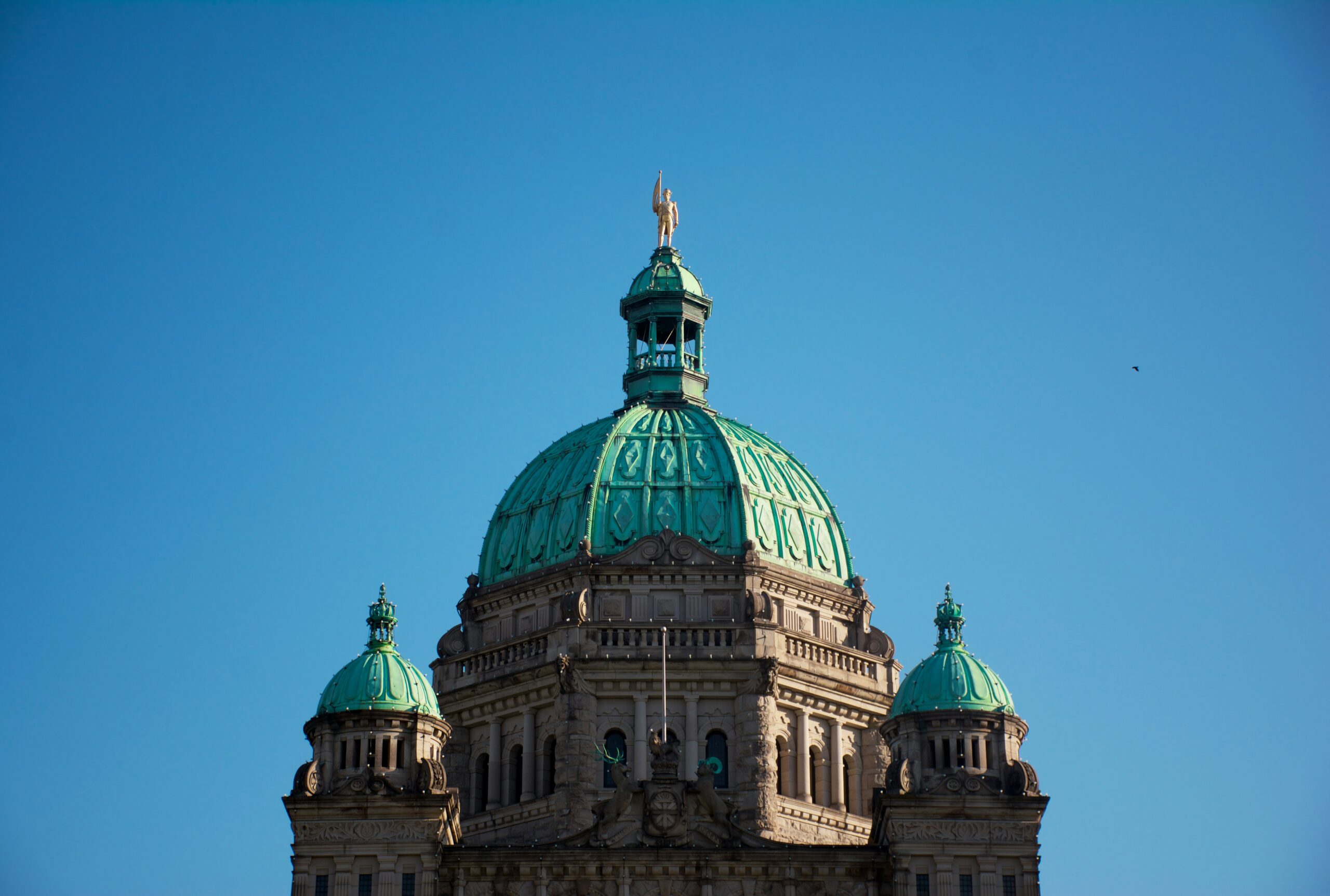
Photo by Hossein Soltanloo on Unsplash
Leave a Reply